Table of Contents
- Introduction
- What Is Interior Painting?
- What Is Exterior Painting?
- Key Differences Between Interior and Exterior Painting
- Paint Types Used for Interior vs Exterior Surfaces
- How Singapore’s Climate Affects Painting Choices
- Cost Differences Between Interior and Exterior Painting
- How Often Should You Repaint Each Type
- Which One Do You Need First?
- Conclusion
1. Introduction
When hiring a painting service in Singapore, many homeowners assume all painting work is the same. In reality, interior and exterior painting serve very different purposes and require different materials, techniques, and planning.
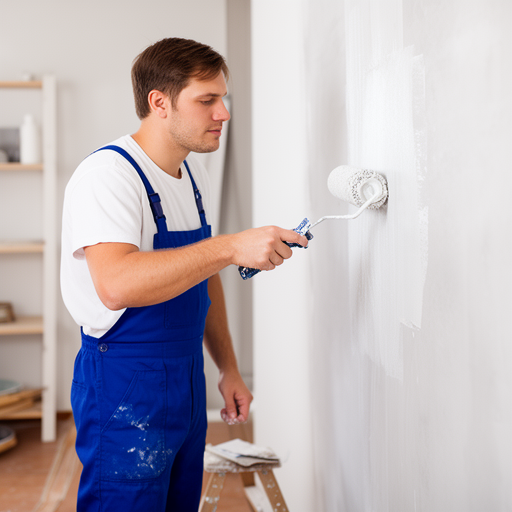
Understanding the difference helps you choose the right service, avoid unnecessary costs, and ensure your home stays both visually appealing and well-protected in Singapore’s humid, tropical climate.
2. What Is Interior Painting?
Interior painting refers to painting the inside areas of a home, such as:
- Living rooms
- Bedrooms
- Kitchens
- Hallways
- Ceilings
Main purpose:
Interior painting focuses on aesthetics, comfort, and hygiene.
Key characteristics:
- Smooth and decorative finish
- Low odour paint (important for indoor use)
- Easier maintenance and cleaning
- Wide variety of colours and finishes
Interior painting allows homeowners to express style, improve mood, and refresh outdated spaces without structural changes.
3. What Is Exterior Painting?
Exterior painting refers to the outer surfaces of a building, including:
- External walls
- Building façade
- Balconies
- Gates and fences (in landed homes)
Main purpose:
Exterior painting is primarily about protection and durability.
Key characteristics:
- Weather-resistant coating
- UV protection against strong sunlight
- Waterproofing properties
- Resistance to mold, algae, and pollution
In Singapore, exterior painting is especially important due to frequent rain and high humidity.
4. Key Differences Between Interior and Exterior Painting
Interior and exterior painting differ in several important ways:
1. Purpose
- Interior: Appearance and comfort
- Exterior: Protection from weather
2. Durability Requirements
- Interior paint lasts longer due to controlled environment
- Exterior paint must withstand harsh outdoor conditions
3. Surface Exposure
- Interior walls are protected from sun and rain
- Exterior walls are exposed to constant environmental stress
4. Finish Type
- Interior: Matte, satin, or smooth decorative finishes
- Exterior: Strong protective coatings, often textured or weatherproof
5. Maintenance Frequency
- Interior: Repaint every 5–7 years
- Exterior: Repaint every 3–6 years
5. Paint Types Used for Interior vs Exterior Surfaces
Choosing the correct paint type is critical for long-lasting results.
Interior Paint Types
- Water-based paint
- Low odour
- Quick drying
- Common for HDB and condos
- Washable paint
- Easy to clean stains
- Ideal for families with children
- Anti-mold paint
- Prevents fungal growth in humid areas like bathrooms
Exterior Paint Types
- Weather-resistant paint
- Protects against rain and UV rays
- Waterproof coating
- Prevents moisture penetration
- Anti-algae paint
- Reduces green or black stains caused by humidity
Exterior paints are generally thicker and more durable than interior paints.
6. How Singapore’s Climate Affects Painting Choices
Singapore’s tropical climate has a major impact on painting performance.
Key environmental challenges:
- High humidity year-round
- Frequent heavy rain
- Strong UV exposure
- Temperature fluctuations
Effects on homes:
- Faster paint deterioration
- Mold and mildew growth
- Wall discoloration
- Cracking and peeling over time
This is why professional painting services in Singapore always recommend moisture-resistant and anti-mold solutions, especially for exterior surfaces.
7. Cost Differences Between Interior and Exterior Painting
Interior and exterior painting also differ in cost due to complexity and materials.
Interior Painting Costs:
- Generally lower
- Easier access and faster completion
- Focused mainly on indoor walls
Exterior Painting Costs:
- Higher due to:
- Scaffolding or height work
- Weatherproof paint materials
- Safety precautions
- Larger surface areas
In many cases, exterior painting can cost 20–50% more than interior work for the same property size.
8. How Often Should You Repaint Each Type
Repainting frequency depends on exposure and usage.
Interior Painting:
- Every 5–7 years
- Sooner if:
- Walls are stained
- Colours are outdated
- Mold appears
Exterior Painting:
- Every 3–6 years
- Sooner if:
- Paint is peeling
- Visible cracks appear
- Water seepage is detected
Regular maintenance ensures your home stays protected and visually appealing.
9. Which One Do You Need First?
If your home shows signs of ageing paint, deciding what to prioritise depends on the situation:
Prioritise Interior Painting if:
- You are renovating or redesigning your home
- Walls look dull or outdated
- You are preparing the home for rental or sale
Prioritise Exterior Painting if:
- You notice peeling or cracking outside
- There are water seepage issues
- The building façade looks aged
In many cases, homeowners in Singapore start with interior painting because it has an immediate visual impact, then follow up with exterior work for long-term protection.
10. Conclusion
Interior and exterior painting serve different but equally important roles in maintaining a home in Singapore. Interior painting enhances comfort and aesthetics, while exterior painting protects your property from harsh weather conditions.
Understanding these differences helps homeowners make better decisions when engaging a painting service in Singapore, ensuring they invest in the right type of work at the right time.