A well-painted office can create a cleaner, more professional and welcoming environment for employees, customers and visitors. Over time, however, office walls can become marked, faded or outdated due to daily use. A fresh coat of paint can be an effective way to refresh the workplace without requiring a major renovation.
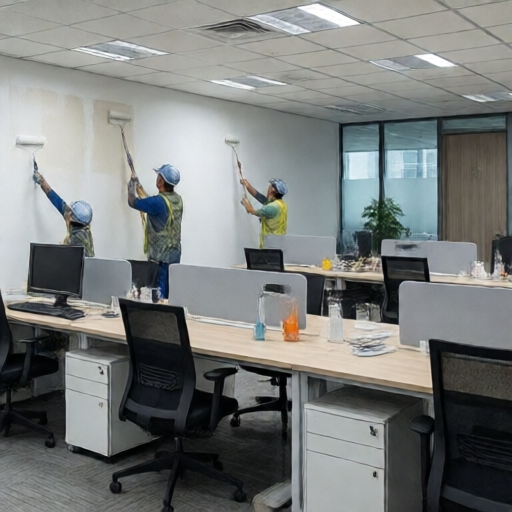
For businesses in Singapore, choosing the right office painting service Singapore provider involves more than selecting a colour. Commercial painting requires careful planning because the work needs to be completed efficiently while minimising disruption to normal business operations.
This guide explains what businesses should consider when planning an office painting project and how to choose a suitable professional painting contractor.
Table of Contents
- Why Office Painting Matters
- When Should You Repaint an Office?
- Benefits of Professional Office Painting
- Choosing Colours for a Singapore Office
- Selecting the Right Paint
- Preparing an Office Before Painting
- How to Minimise Business Disruption
- What to Look for in an Office Painting Contractor
- Questions to Ask Before Hiring Painters
- Planning the Office Painting Project
- Conclusion
1. Why Office Painting Matters
The appearance of an office can influence how employees, customers and business partners perceive the workplace. Walls that are dirty, stained or visibly worn can make an otherwise well-maintained office look older than it actually is.
A professionally painted office provides a cleaner and more consistent appearance. It can also help businesses update an outdated colour scheme when renovating or rebranding their workplace.
Painting can be particularly useful when moving into a new office, preparing a previously occupied unit for a new business or refreshing an established workplace.
Instead of carrying out a complete renovation, repainting selected areas can provide a noticeable visual improvement while keeping the project relatively focused.
2. When Should You Repaint an Office?
There is no single repainting schedule that applies to every office. The right timing depends on the condition of the walls, amount of daily traffic and type of business.
Some signs that an office may benefit from repainting include:
- Faded or discoloured walls
- Visible stains and scuff marks
- Peeling or flaking paint
- Cracks or minor surface imperfections
- Outdated colours
- Walls that no longer match the company’s branding
- A workplace renovation or relocation
- Preparation for an important business event
High-traffic areas such as corridors, entrances and meeting rooms may show wear more quickly than less frequently used spaces.
Regularly inspecting the condition of painted surfaces can help businesses identify when maintenance is becoming necessary.
3. Benefits of Professional Office Painting
Hiring professional painters can make a commercial painting project easier to manage, particularly when the office needs to remain operational.
Experienced painters can help businesses with surface preparation, paint selection and project scheduling. They can also work according to an agreed plan so that different areas of the office can be completed systematically.
Professional painting can provide several advantages, including:
A More Consistent Finish
Large office spaces can be difficult to paint evenly without the appropriate experience and equipment. Professional painters can apply paint consistently across walls and other surfaces.
Better Preparation
Preparation is an important part of commercial painting. Cleaning, sanding, filling minor imperfections and dealing with loose paint can help produce a better finished surface.
Efficient Project Management
An experienced contractor can help organise the work according to the business’s schedule, reducing unnecessary disruption.
Less Work for Employees
Instead of asking employees to paint the workplace themselves, businesses can allow professional painters to handle the project while staff concentrate on their normal responsibilities.
4. Choosing Colours for a Singapore Office
Colour selection should take into account the purpose and character of the workplace.
Neutral colours such as white, grey and beige can create a clean and professional appearance. Depending on the company’s branding and office design, stronger colours can also be incorporated into selected walls or feature areas.
Different rooms may benefit from different colour approaches.
For example, meeting rooms may use professional and calming shades, while creative workspaces can incorporate more energetic colours. Reception areas can use colours that complement the company’s branding and create a welcoming first impression.
When choosing colours, consider the office lighting, flooring, furniture and existing design elements. Testing paint samples before committing to a complete colour scheme can help businesses avoid an unsuitable final result.
5. Selecting the Right Paint
The type of paint used can affect the appearance, maintenance requirements and durability of an office.
Businesses should discuss the intended use of each area with their painting contractor. Walls in high-traffic locations may require a finish that is easier to maintain, while less frequently used areas may have different requirements.
The desired finish should also be considered. Different finishes can create different visual effects and levels of sheen.
When obtaining quotations, ask the contractor to identify the paint brand and product being proposed. This makes it easier to compare quotations accurately.
It is also worth asking whether primer is required. Certain surfaces may need additional preparation before the final paint is applied.
6. Preparing an Office Before Painting
Proper preparation can help make an office painting project more organised.
Before work begins, businesses should identify furniture, equipment and other items that need to be moved or protected. Sensitive equipment should be handled carefully and, where appropriate, relocated away from the painting area.
Documents and personal belongings should also be stored safely.
The painting contractor should determine which surfaces require preparation. Depending on their condition, this could include cleaning, sanding, filling holes or repairing minor imperfections.
Businesses should also identify areas that require special attention. Providing this information before the project starts allows the contractor to plan the work more effectively.
7. How to Minimise Business Disruption
One of the biggest concerns with office painting is disruption to normal business activities.
Fortunately, businesses can plan the project around their operating schedule.
For example, painting can potentially be carried out outside normal office hours, during weekends or in stages. The most suitable arrangement depends on the company’s working hours and the size of the office.
Another approach is to divide the office into sections. Employees can continue working in one area while painters complete another area.
Before starting, discuss the schedule with the contractor and establish which areas will be unavailable at different stages.
Good planning can reduce unnecessary interruptions and make it easier for employees to continue their work.
8. What to Look for in an Office Painting Contractor
Choosing a suitable contractor is an important part of any commercial painting project.
Businesses should consider several factors rather than selecting a contractor solely because of the lowest price.
Look for a contractor who can clearly explain:
- The scope of painting work
- Surface preparation requirements
- Paint brands and products
- Number of coats
- Estimated project duration
- Protection of furniture and equipment
- Cleaning arrangements
- Work schedule
Communication is particularly important for office projects. A contractor should understand the need to work according to business requirements and communicate clearly about progress and scheduling.
Businesses may also request examples of previous commercial painting projects where appropriate.
9. Questions to Ask Before Hiring Painters
Before confirming an office painting project, ask the contractor several practical questions.
Is surface preparation included?
Find out whether cleaning, sanding and minor surface repairs are part of the quotation.
How many coats are included?
The number of coats may depend on the existing wall colour and the paint selected.
Which areas will be painted?
Clarify whether the quotation covers walls, ceilings, doors, corridors or other surfaces.
How long will the project take?
Ask for an estimated timeline and discuss whether work can be completed outside office hours.
How will office equipment be protected?
Confirm how furniture, computers and other equipment will be covered or relocated.
Is post-project cleaning included?
A clear agreement about cleaning can prevent misunderstandings after the painting work is completed.
10. Planning the Office Painting Project
A successful commercial painting project begins with proper planning.
Start by identifying which areas require painting and determine whether the project is part of a larger renovation. Next, consider the desired colour scheme, paint type and preferred schedule.
Obtain detailed quotations from suitable painting contractors and compare what each quotation includes.
Do not compare prices without considering the scope of work. One contractor may include extensive wall preparation and multiple coats while another quotation may only cover basic painting.
Once a contractor has been selected, agree on the project schedule and ensure employees are informed about any areas that will temporarily be unavailable.
For businesses searching for an office painting service Singapore provider, choosing a contractor that understands commercial working environments can help make the project more efficient and manageable.
11. Conclusion
Office painting is a practical way for Singapore businesses to refresh their workplace without undertaking a major renovation. A new colour scheme can improve the overall appearance of the office, while professional preparation and application can provide a cleaner and more consistent finish.
The key is to plan the project carefully. Consider the condition of the walls, paint type, colour scheme, protection requirements and working schedule before hiring a contractor.
Most importantly, choose a painting company based on the complete scope of work rather than price alone. A contractor with suitable commercial experience, clear communication and a structured approach can help minimise disruption while delivering a professional result.
With proper planning, a fresh coat of paint can give an office a renewed appearance while allowing the business to continue operating as smoothly as possible.