Keeping a rental property in good condition is important for attracting tenants, maintaining its value and creating a positive impression during property viewings. In Singapore, walls can develop stains, scuff marks, faded colours and peeling paint after years of daily use. Repainting between tenancies can help landlords refresh their units and prepare them for the next occupants.
However, repainting is not always necessary after every tenancy. The right timing depends on the property’s condition, the length of the tenancy, the tenant’s usage and the landlord’s plans for the unit. Understanding when to repaint—and when to engage professional painters—can help property owners manage maintenance costs more effectively.
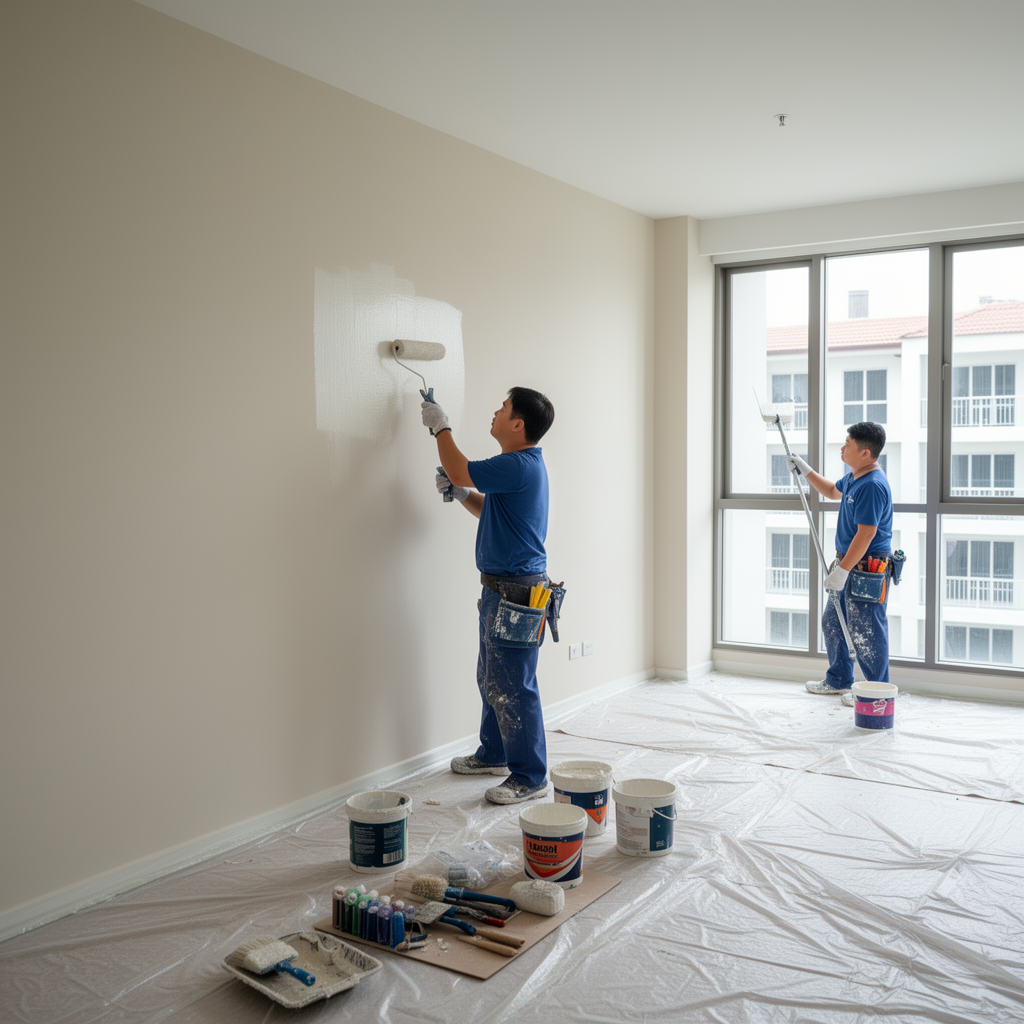
This guide explains the signs that a rental property needs repainting, the benefits of professional painting services and how landlords can prepare their units for new tenants.
Table of Contents
- Why Repainting Matters for Rental Properties
- Signs Your Rental Property Needs Repainting
- When Should Landlords Repaint Between Tenancies?
- Benefits of Hiring Professional Painters
- Choosing Suitable Paint for Rental Units
- How to Prepare a Rental Property for Repainting
- Common Painting Mistakes Landlords Should Avoid
- How to Plan a Cost-Effective Repainting Project
- Conclusion
1. Why Repainting Matters for Rental Properties
First impressions can influence how prospective tenants perceive a property. Clean walls, consistent colours and a well-maintained interior make a unit appear brighter and better cared for.
In a competitive rental market, a fresh coat of paint can help improve the presentation of an HDB flat, condominium apartment or landed property. It may also make it easier for prospective tenants to imagine their furniture and belongings in the space.
Repainting can also form part of routine property maintenance. Addressing minor paint damage early may prevent small cosmetic problems from becoming more difficult to manage. For example, loose or peeling paint should be investigated before the affected area is repainted, especially if moisture may be involved.
Landlords should remember that painting improves appearance but does not resolve underlying problems such as water leakage, persistent dampness or damaged plaster. These issues should be assessed and repaired before applying new paint.
2. Signs Your Rental Property Needs Repainting
Not every rental unit needs a complete repaint. Landlords can inspect the property to determine whether selected areas or the entire interior require attention.
Visible stains and scuff marks
High-contact areas often become dirty faster than other parts of a property. Hallways, living room walls, bedroom entrances and areas around light switches may accumulate fingerprints, marks and furniture scuffs.
If ordinary cleaning does not remove the marks, repainting the affected sections may restore a cleaner appearance. However, touch-ups should use a compatible paint with a matching colour and finish to minimise visible differences.
Faded or uneven wall colours
Sunlight, age and previous repairs can cause wall colours to look uneven. A room may also appear inconsistent if different paint products or shades were used for earlier touch-ups.
When colour differences are widespread, repainting the entire wall—or the whole room—may provide a more uniform finish.
Peeling, bubbling or flaking paint
Paint that lifts away from the wall should not simply be covered with another coat. Peeling and bubbling may be associated with poor surface preparation, adhesion problems or moisture.
The affected area should be examined, loose paint removed safely and the underlying cause addressed before repainting. If there are signs of leakage or persistent dampness, arrange the necessary repairs first.
Cracks and damaged wall surfaces
Small surface imperfections can become more noticeable under fresh paint. Hairline cracks, dents and nail holes may need suitable filling and sanding before the new coating is applied.
Larger cracks or recurring damage may require further assessment instead of a straightforward cosmetic repair.
Unpleasant odours or heavy staining
Smoking, cooking and other household activities may leave persistent odours or stains. Standard wall paint may not adequately conceal every stain, especially if the source remains present.
Cleaning and appropriate stain treatment or primer may be required. The correct method depends on the type of stain and the condition of the surface.
3. When Should Landlords Repaint Between Tenancies?
The best time to repaint is usually when the property is vacant and before the next tenant moves in. An empty unit provides easier access to walls, corners and ceilings while reducing the need to move or protect furniture.
There is no single repainting schedule that suits every rental property. A unit with careful occupants may remain presentable for several years, while a heavily used property may require attention sooner.
Landlords should consider repainting when:
- The walls look visibly worn during property viewings.
- Multiple rooms have stains, scuffs or inconsistent colours.
- Previous repairs have left noticeable patches.
- The existing paint is peeling or deteriorating after the underlying issue has been resolved.
- The landlord is carrying out broader renovation or maintenance work.
- A fresh, neutral interior would help prepare the property for marketing.
A full repaint may not be necessary if only one wall or a few small areas are damaged. Inspecting the property before arranging work helps determine the appropriate scope.
Landlords should also review the tenancy agreement and any relevant move-out arrangements when deciding how to handle damage, cleaning and repainting costs. Ordinary wear and tear should not automatically be treated as tenant-caused damage.
4. Benefits of Hiring Professional Painters
Professional painting can be particularly useful when landlords need to prepare a property within a limited vacancy period.
More consistent results
Experienced painters understand how to prepare different surfaces, select suitable primers and apply paint evenly. Proper preparation helps reduce patchiness, visible roller marks and premature peeling.
This is especially important when repainting large living rooms, long corridors or several bedrooms in one project.
Faster property turnover
A vacant rental property may represent lost rental income while it is being prepared for the next tenant. Coordinated painting work can help landlords complete the refresh more efficiently, although the actual duration depends on the unit’s size, condition, repairs and drying requirements.
For landlords arranging multiple maintenance tasks, professional painters can also help coordinate the painting stage with other contractors.
Better surface preparation
The final appearance depends heavily on what happens before the first coat is applied. Cleaning, scraping loose paint, filling defects, sanding and priming may all be necessary.
A professional assessment can help identify which preparation steps are appropriate for the property’s condition.
Reduced disruption and rework
DIY painting may appear less expensive initially, but mistakes can lead to uneven coverage, paint splashes or the need to redo sections. Professional work can reduce these risks when the contractor follows suitable preparation and application procedures.
For landlords who manage several properties or have limited time, using a professional house painting service in Singapore can simplify maintenance planning.
5. Choosing Suitable Paint for Rental Units
Rental properties benefit from paint choices that balance appearance, durability and ease of maintenance.
Choose practical, neutral colours
Neutral colours such as off-white, light beige and soft grey can make rooms appear brighter and suit a wide range of furniture styles. They may also simplify future touch-ups if the same product and colour reference are retained.
The best shade depends on the amount of natural light, the size of the room and the property’s overall design.
Consider washability
Walls in hallways, living areas and children’s bedrooms may experience frequent contact. A suitable washable interior paint can make routine cleaning easier, but the level of cleanability varies by product and finish.
Ask the painter to recommend a finish appropriate for each area rather than choosing solely by appearance.
Use appropriate products for different surfaces
Interior walls, ceilings, metal gates and timber doors may require different paint systems. A product intended for one surface may not provide the right adhesion or durability on another.
If the property has recurring dampness, mould or peeling, resolve the cause and select the appropriate treatment before painting.
Keep a record of the paint used
Landlords can make future maintenance easier by keeping the paint brand, colour code, product type and finish on record. This information can help with later touch-ups and reduce mismatched patches.
6. How to Prepare a Rental Property for Repainting
A clear preparation plan helps reduce delays and avoid unnecessary work.
Step 1: Inspect every room. Check walls, ceilings, corners, doors and other painted surfaces. Take photographs of significant defects and note which areas need attention.
Step 2: Identify underlying problems. Look for damp patches, water stains, peeling paint and damaged plaster. Arrange appropriate repairs before painting begins.
Step 3: Decide between touch-ups and a full repaint. Localised damage may need only limited work, while widespread discolouration or inconsistent finishes may justify repainting entire rooms.
Step 4: Remove or protect belongings. Clear the property where possible. Remaining fixtures and surfaces should be covered to protect them from paint splashes and dust.
Step 5: Confirm the scope with the contractor. Agree on which rooms and surfaces will be painted, the expected preparation work, paint specifications, number of coats where appropriate and project timing.
Step 6: Allow adequate drying time. Paint needs sufficient time to dry and cure according to the manufacturer’s instructions. Avoid scheduling tenant move-in too tightly around the final coat.
7. Common Painting Mistakes Landlords Should Avoid
One common mistake is choosing a contractor based only on the lowest quotation. A very low price may exclude essential preparation, repairs or particular surfaces. Compare quotations based on the same scope of work.
Another mistake is painting over dampness or peeling paint without resolving the cause. This can lead to recurring defects and additional expenses.
Landlords should also avoid selecting colours without considering lighting and existing fixtures. A colour that looks suitable on a small sample may appear different across an entire room.
Finally, do not assume that every rental turnover requires a complete repaint. A condition-based inspection helps focus the budget on areas that genuinely need attention.
8. How to Plan a Cost-Effective Repainting Project
Start by identifying the property’s most visible and heavily used areas. Living rooms, entrances and corridors may have a greater effect on first impressions than less-used spaces.
Request a detailed quotation that identifies the areas included, surface preparation, repair work, paint specifications and any exclusions. Confirm whether doors, ceilings, trims and other painted surfaces are part of the quoted scope.
It is also helpful to schedule repainting while the unit is vacant and coordinate it with cleaning or minor repairs. This can reduce repeated setup work and minimise disruption.
For larger properties or units with extensive damage, request an on-site assessment before committing to a final scope. The condition of the walls and ceilings can affect both the preparation required and the overall cost.
Landlords looking for a dependable contractor can review professional painting services and discuss the unit’s requirements before arranging the work.
9. Conclusion
Repainting is a practical way to maintain the appearance of a rental property in Singapore, but the timing should depend on the condition of the unit rather than a fixed schedule. Stains, fading, peeling paint and visible patch repairs can indicate that maintenance is needed.
Hiring professional painters can help landlords achieve a more consistent finish, prepare vacant units efficiently and address surface preparation properly. By choosing practical colours, documenting paint specifications and comparing quotations carefully, property owners can keep their rental units presentable while managing maintenance costs.
If your rental property needs a refresh before the next tenancy, inspect the walls and ceilings first, resolve any underlying defects and arrange a suitable painting plan. A well-maintained interior can help present the property professionally and make it ready for its next occupants.