Table of Contents
- Introduction
- Key Differences Between Interior and Exterior Painting
- Cost Comparison: Interior vs Exterior Painting
- Interior Painting: Process and What to Expect
- Exterior Painting: Process and What to Expect
- Best Paint Types for Interior and Exterior Surfaces
- How to Choose the Right Painting Service
- Common Mistakes Homeowners Make
- When to Hire a Professional vs DIY
- Conclusion
1. Introduction
Painting is one of the most effective ways to refresh, protect, and increase the value of your home. But when homeowners compare interior vs exterior painting, the costs, materials, and overall process can be very different. Understanding these differences helps you choose the right painting service and avoid expensive mistakes. This guide breaks down everything you need to know before starting your next project.
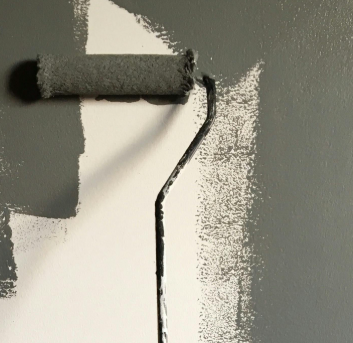
2. Key Differences Between Interior and Exterior Painting
Interior and exterior painting serve different purposes and face different conditions, which influence the paint type, preparation work, and timeline.
Interior painting focuses on:
- Aesthetics
- Smooth finishes
- Low-odor and low-VOC paints
- Durability against cleaning and daily wear
Exterior painting focuses on:
- Weather resistance
- UV protection
- Moisture and mold resistance
- Ability to withstand temperature changes
Because the exterior faces harsher conditions, it requires stronger paint, more prep, and often more labor.
3. Cost Comparison: Interior vs Exterior Painting
Painting costs vary based on home size, condition, paint quality, and surface type, but here is a general comparison:
Interior Painting Costs
- SGD $1.50–$4.00 per sq ft
- Bedrooms: $300–$800
- Living room: $500–$1,500
- Full interior repaint: $2,000–$8,000
Exterior Painting Costs
- SGD $2.50–$6.00 per sq ft
- Small terrace house: $2,000–$5,000
- Semi-detached house: $4,000–$8,000
- Larger landed properties: $6,000–$12,000+
Exterior painting usually costs more because:
✔ Access equipment is required (ladders, scaffolding)
✔ Surfaces must be pressure-washed
✔ More prep is needed for weatherproofing
✔ Exterior paint is more expensive
4. Interior Painting: Process and What to Expect
Professional interior painting involves several steps to ensure a clean and long-lasting finish.
Step-by-Step Interior Process
- Inspection & color consultation
- Furniture protection & plastic covering
- Wall preparation
- Sanding
- Crack filling
- Patching holes
- Priming if required
- Painting application
- Typically 2 coats
- Low-VOC, indoor-safe paints
- Final touch-ups & cleanup
Interior Surfaces Commonly Painted
- Walls and ceilings
- Doors and frames
- Skirting boards
- Feature walls
- Cabinets (optional specialized paint)
Interior painting focuses heavily on smoothness, finish quality, and color accuracy.
5. Exterior Painting: Process and What to Expect
Exterior painting is more complex because the surfaces face weather, sun, rain, and dust daily.
Step-by-Step Exterior Process
- Exterior inspection & surface evaluation
- High-pressure washing to remove dust, old paint & algae
- Scraping, sanding & repairing cracks
- Caulking around windows and doors
- Priming (essential for adhesion and waterproofing)
- Applying weather-resistant paint
- UV-resistant
- Anti-mold
- Water-repellent
- Final inspection & cleanup
Exterior Surfaces Commonly Painted
- Walls
- Fascia boards
- Gutters
- Window frames & grills
- Doors and gates
Exterior painting emphasizes durability, weather protection, and long-term maintenance.
6. Best Paint Types for Interior and Exterior Surfaces
Interior Paint Types
- Matte: Ideal for bedrooms, ceilings
- Satin/eggshell: Good for living rooms
- Semi-gloss: Great for kitchens and bathrooms
- Low-VOC paint: Safer for indoor air
Exterior Paint Types
- Acrylic latex exterior paint: Most weather-resistant
- Elastomeric paint: Ideal for hairline crack protection
- Anti-mold, anti-fungal paint (especially in humid climates)
Exterior paint is formulated to resist fading, peeling, fungus, and rain.
7. How to Choose the Right Painting Service
When selecting a painting service, consider the following:
1. Experience & portfolio
Ask for before-and-after photos or previous projects.
2. Use of premium paint brands
Look for Nippon, Dulux, Benjamin Moore, or equivalent quality.
3. Detailed quotation
A good quotation should include:
- Number of coats
- Preparation details
- Paint brand and type
- Labor and materials
4. Warranty
Professional painters typically offer 1–3 year workmanship warranties, especially for exterior work.
5. Safety standards
Exterior painting should include proper ladders, harnesses, or scaffolding for safety.
8. Common Mistakes Homeowners Make
Avoid the mistakes below to ensure a flawless result:
- Choosing the cheapest service with poor prep work
- Ignoring primer requirements
- Using interior paint for exterior surfaces
- Painting during rainy seasons
- Not repairing cracks before painting
- Skipping mold treatment
Proper preparation is just as important as the paint itself.
9. When to Hire a Professional vs DIY
DIY May Be Fine For:
- Small interior walls or rooms
- Simple repainting without repairs
- Touch-ups
Hire a Professional When:
- Exterior painting is required
- Surfaces have cracks or moisture damage
- Ceilings or high areas need painting
- Quality and longevity matter
- You’re preparing the home for sale
Professionals ensure better surface preparation, longer paint lifespan, and a cleaner finish.
10. Conclusion
Interior and exterior painting have different purposes, processes, and costs. Interior work prioritizes aesthetics and smooth finishes, while exterior painting focuses on weather protection and durability. Whether you’re refreshing indoor spaces or protecting your home’s exterior, choosing a reliable and experienced painting service ensures that your paint lasts longer and your property looks its best.