Painting a landed property is an effective way to refresh its appearance, protect surfaces and create a more comfortable living environment. Unlike a smaller apartment, a landed house can have a larger number of interior and exterior surfaces, making proper planning particularly important.
For homeowners considering landed house painting in Singapore, factors such as weather exposure, wall condition, paint selection, surface preparation and project scheduling should all be considered before work begins.
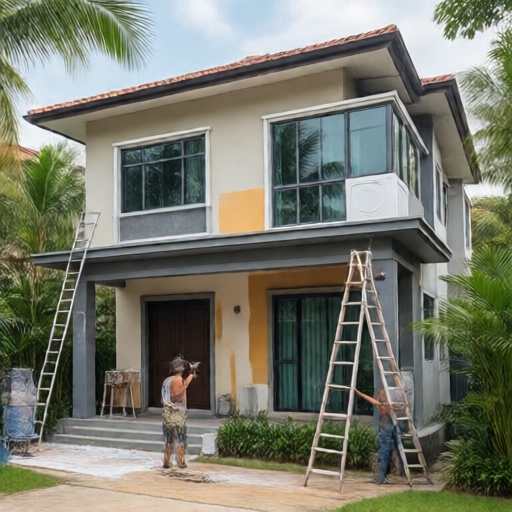
Whether you are repainting an older landed property, preparing a newly purchased home or simply updating the appearance of your house, this guide explains the key points to consider when planning an interior or exterior painting project.
Table of Contents
- Why Repaint a Landed House?
- Interior vs Exterior Landed House Painting
- Common Areas That Need Repainting
- Preparing a Landed Property for Painting
- Choosing Paint for Interior Walls
- Choosing Paint for Exterior Surfaces
- Dealing With Wall Damage Before Painting
- How to Minimise Disruption During Painting
- Why Professional Painters Are Useful for Landed Properties
- How to Choose a Landed House Painting Contractor
- Conclusion
1. Why Repaint a Landed House?
A fresh coat of paint can significantly change the appearance of a landed property. Over time, walls and exterior surfaces are exposed to everyday wear, dirt, moisture and changing weather conditions.
Interior walls can develop marks from furniture, children, pets and normal household activities. Exterior surfaces face additional exposure to Singapore’s tropical environment.
Repainting provides an opportunity to refresh outdated colours, improve the overall appearance of the property and address surfaces that have become worn.
It can also be useful when homeowners are preparing a property for sale or rental. A clean and well-maintained appearance can make the house more attractive to prospective occupants.
For homeowners undertaking a major refresh, repainting can also complement other improvements such as flooring, lighting, furniture and landscaping.
2. Interior vs Exterior Landed House Painting
Interior and exterior painting have different requirements.
Interior Painting
Interior painting generally focuses on appearance, durability and suitability for individual rooms. Homeowners can select different colours and finishes according to the purpose of each space.
Living rooms may benefit from neutral colours, while bedrooms can use softer shades. Feature areas can incorporate stronger colours to create visual interest.
Exterior Painting
Exterior painting requires greater consideration of environmental exposure. Outdoor walls are exposed to sunlight, rain and humidity, so the selected coating should be appropriate for exterior surfaces.
The condition of the existing exterior paint should also be assessed before work begins. Peeling, cracking, staining or other surface problems may require preparation before new paint is applied.
A contractor should inspect the exterior and recommend an appropriate preparation and painting approach.
3. Common Areas That Need Repainting
A landed property can contain many different surfaces that may eventually require maintenance.
Common areas include:
- Living room walls
- Bedrooms
- Staircases
- Hallways
- Ceilings
- Dining areas
- Exterior walls
- Boundary walls
- Gates
- Garages
- Outdoor structures
Homeowners do not necessarily need to repaint every surface at the same time.
For example, interior walls may still be in good condition while exterior surfaces require attention. Alternatively, homeowners may choose to repaint the entire property as part of a larger renovation.
A property inspection can help determine which areas require immediate attention.
4. Preparing a Landed Property for Painting
Preparation is particularly important when painting a larger property.
Before work starts, furniture and household belongings should be moved away from the walls where possible. Larger items should be covered and protected.
Outdoor areas may also need preparation. Plants, outdoor furniture, vehicles and other belongings should be moved away from areas where painters will be working.
The walls should then be inspected for problems such as dirt, loose paint, cracks and stains.
Depending on the surface condition, preparation may include cleaning, sanding, scraping or filling minor imperfections.
Good preparation can help create a more consistent finish and reduce the likelihood of visible surface defects after painting.
5. Choosing Paint for Interior Walls
The right interior paint depends on the room, surface and homeowner’s preferences.
When selecting colours, consider how the paint will work with existing flooring, furniture, curtains and lighting.
For smaller rooms, lighter shades can help create a brighter and more open feeling. Larger spaces provide more flexibility for stronger colours or contrasting walls.
The finish should also be considered. Different paint finishes provide different levels of sheen and can affect the appearance of the finished wall.
Homeowners should discuss their requirements with the painting contractor before selecting the final product.
If the existing wall has a strong colour, additional preparation or coats may be necessary when changing to a lighter shade.
6. Choosing Paint for Exterior Surfaces
Exterior walls experience considerably more environmental exposure than interior walls.
Singapore’s tropical conditions mean exterior surfaces regularly encounter humidity, rain and strong sunlight. Consequently, homeowners should select paint designed for the intended exterior application.
Before repainting, the existing exterior surface should be inspected carefully.
Signs such as peeling paint, discolouration, cracks and stains should be addressed where necessary.
Simply applying new paint over an unstable or poorly prepared surface may result in an unsatisfactory finish.
A professional painting contractor can assess the condition of the exterior and determine what preparation is needed before applying the new coating.
7. Dealing With Wall Damage Before Painting
Painting should not be treated as a way to hide serious wall problems.
Minor imperfections such as small holes or surface marks can often be addressed during normal preparation. However, significant cracks, dampness or recurring stains may indicate an underlying problem that needs attention first.
For example, if a wall continues to experience moisture problems, repainting it without addressing the source may lead to further deterioration.
Homeowners should point out visible problems during the initial inspection. This allows the contractor to determine whether additional repair work is necessary.
The final quotation should clearly distinguish ordinary painting work from additional repair or preparation services.
8. How to Minimise Disruption During Painting
Painting a landed property can involve several rooms and outdoor areas, so scheduling is important.
Homeowners can divide the project into sections if they need to continue living in the property during the work.
For example, bedrooms can be completed in stages so that other rooms remain available. Outdoor work can also be scheduled separately from interior painting.
Before the project begins, discuss the expected timeline with the contractor.
Families should also plan around activities such as school, work and important appointments. Moving furniture and personal belongings before painters arrive can make the process more efficient.
Clear communication about which areas are available and which areas need to remain accessible can help the project progress smoothly.
9. Why Professional Painters Are Useful for Landed Properties
A landed house can present more complex painting requirements than a smaller residential property.
There may be multiple floors, staircases, high walls, exterior surfaces and difficult-to-reach areas.
Professional painters can assess these areas and use suitable equipment and techniques for the job.
They can also manage preparation, painting and cleanup as part of an organised project.
For homeowners who do not have the time, equipment or experience to paint a larger property themselves, professional assistance can make the process considerably more manageable.
The key is to select a contractor who understands the requirements of residential properties and can clearly explain the proposed scope of work.
10. How to Choose a Landed House Painting Contractor
When searching for a contractor for landed house painting in Singapore, homeowners should compare more than the quoted price.
Consider the contractor’s experience, preparation process, paint options, estimated timeline and scope of work.
Ask whether the quotation includes:
- Wall preparation
- Minor surface repairs
- Primer where required
- Number of paint coats
- Interior painting
- Exterior painting
- Furniture protection
- Cleanup after completion
It is also useful to clarify which surfaces are excluded from the quotation.
A detailed quotation makes it easier to compare different contractors and reduces the possibility of unexpected charges during the project.
Homeowners should also communicate their preferred colours and finish before work starts.
For a complete home repainting project, choosing a professional house painting service can help homeowners manage both interior and exterior painting requirements through a more organised process.
11. Conclusion
Repainting a landed house involves more planning than simply selecting a new colour. Homeowners need to consider the condition of interior and exterior surfaces, suitable paint products, preparation requirements and the practical scheduling of the work.
Exterior walls require particular attention because they are exposed to Singapore’s tropical weather, while interior areas need paint that suits the room’s use and overall home design.
Before hiring a contractor, inspect the property carefully and request a detailed quotation that explains the preparation, materials, number of coats and areas included.
With proper preparation and professional workmanship, repainting can give a landed property a fresh and well-maintained appearance while helping homeowners create a home that better reflects their preferred style.